
From Fluid Mechanics to Finance: Jannicke’s EF journey
/)
12 years | 7 roles | 4 divisions | 2 locations
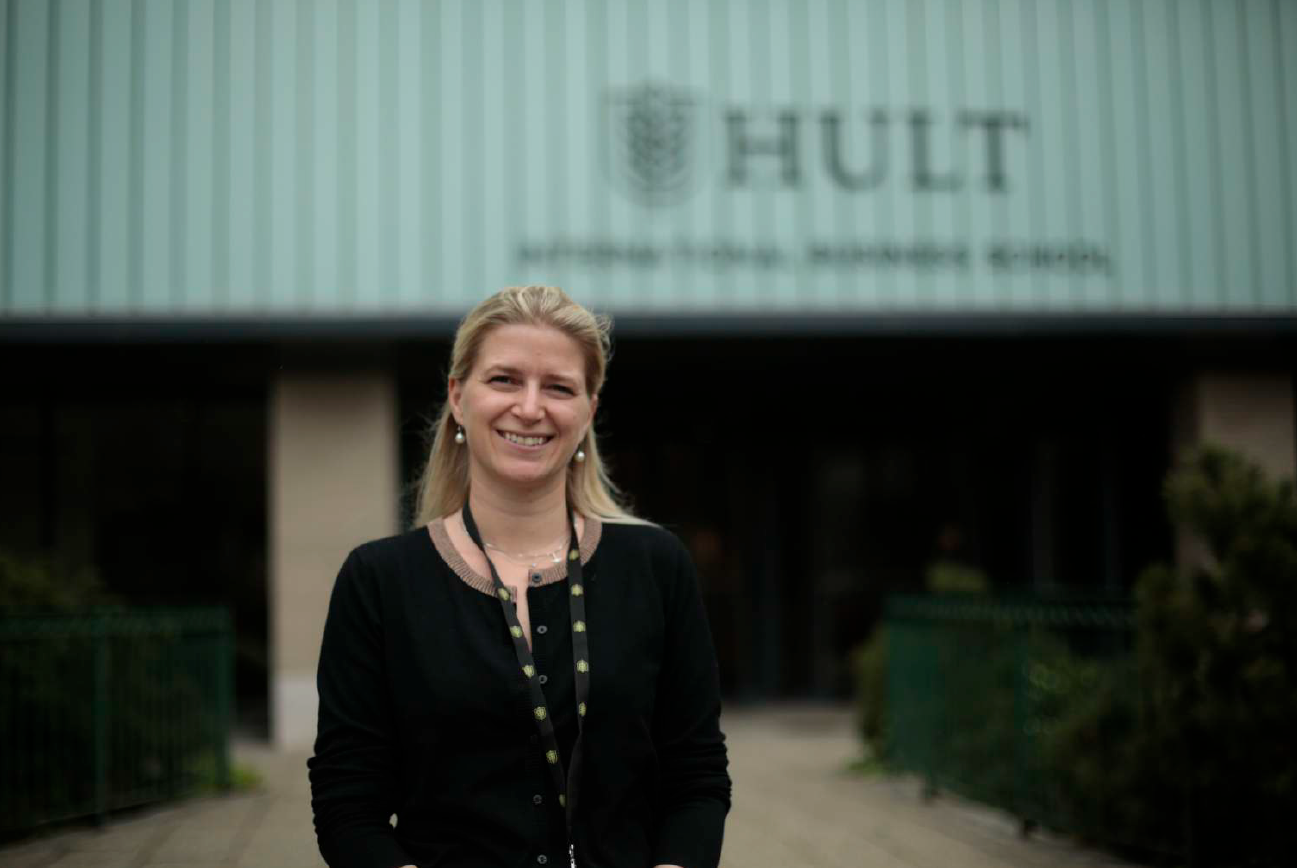
Jannicke Harris-Deans’ EF journey has been an unexpected path from consulting into education, leadership, and global operations. It’s been shaped by a series of “yes” moments, each opening the door to something different. Across Boston, London, and beyond, she has built a career defined by curiosity, adaptability, and stepping into roles she didn’t initially set out to pursue.
In this Q&A, Jannicke reflects on why she left consulting to join EF, how she stayed true to herself while embracing change, and how each role opened up doors to the next one.
What did you study in school? How does that relate to what you're doing today?
I studied Civil Engineering as an undergraduate and then pursued a PhD in Fluid Mechanics, where I spent a few years examining extreme wave loading on offshore platforms, so I spent a lot of time in a basement thinking about very large waves.
Now I work in finance for Hult Ashridge Executive Education, which isn’t the most obvious next step.
That said, the analytical mindset and problem-solving approach definitely carried over. I’m still working with data, just in a different context, and it helps when I’m swapping research stories with our executive education faculty.
How did you first find out about EF, and how did you start working here?
My route to EF was probably fairly unique. I was going through a big transition in my personal life when EF’s founder, Bertil Hult, asked whether I wanted to keep consulting or try having some real responsibility. He suggested I have dinner with Stephen Hodges, who was leading Hult International Business School at the time. I wasn’t sure I wanted to change roles, but a dinner felt like a safe commitment.
Over dinner, Steve talked about how education is one of the few industries where prestige is still largely tied to history, and how Hult wanted to challenge that by staying close to real-world business and bringing together students from around the world.
By the end of the evening, I told him I’d love to work with him, and would happily take any role on offer.
Can you tell us a little bit about your career trajectory? Where did you start, and how did you get to where you are today?
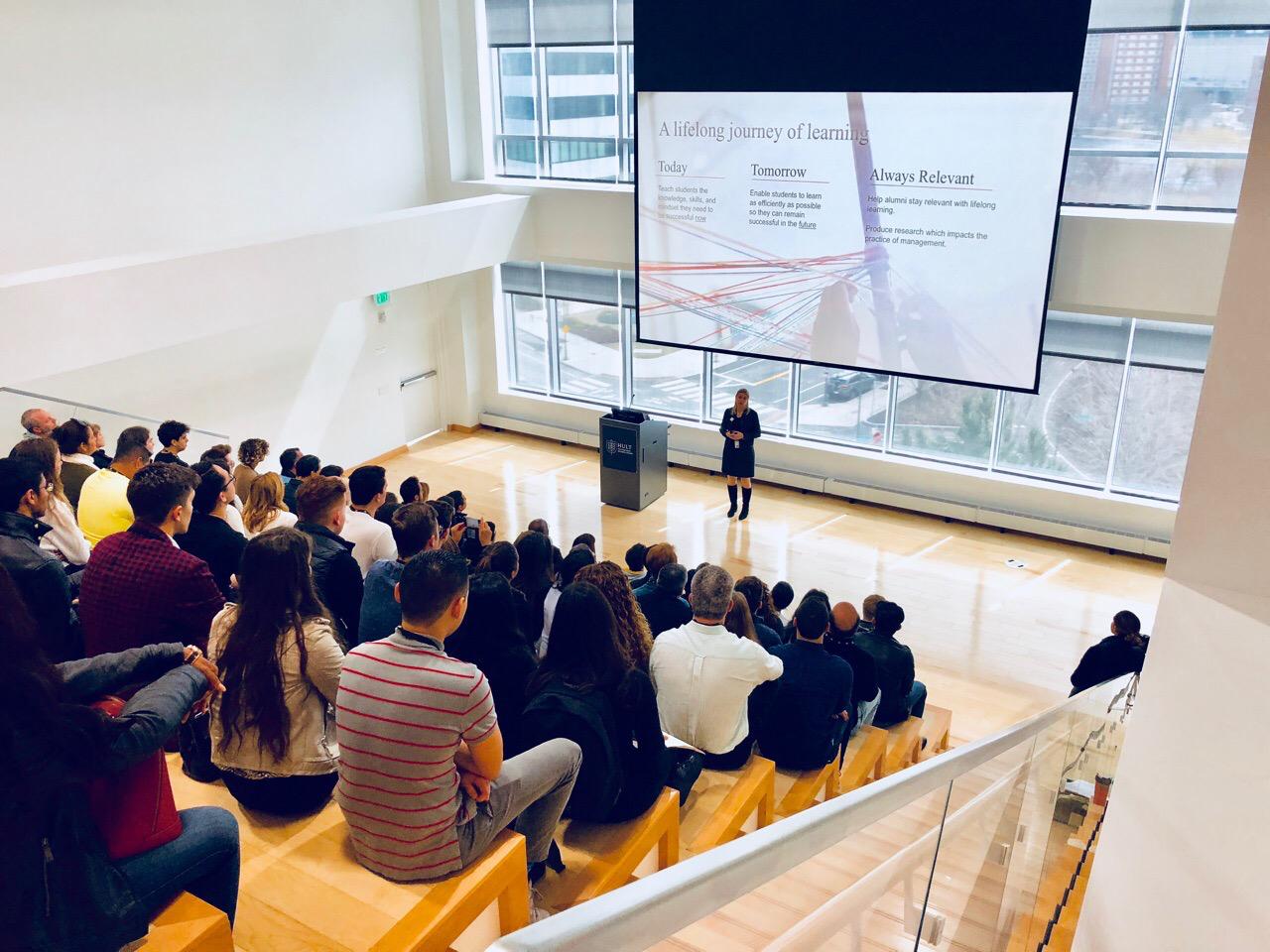
I joined Hult International Business School, leading enrollment and marketing for the undergraduate program, working with teams across 20+ countries to build a genuinely international student population.
After a little over a year, I was asked to take on responsibility for the full Undergraduate Program across our two main campuses. During that time, we launched a new campus in Boston and, together with faculty, reworked the curriculum to focus more on practical business application. There was a real sense of shared purpose across the team, and the diversity of the student body made it a uniquely global environment. Having grown up internationally myself, it felt like a natural fit—I felt at home on every campus.
I later moved into EF’s philanthropy work, including the Hello Zero forest initiative, and then into EF Tours for Girls , where we expanded the program beyond Girl Scouts to reach more groups focused on empowering girls, while also navigating the challenges of COVID.
Ironically, when someone first suggested I move into finance, my reaction was: “You’re crazy—why would I do that?” It’s been a varied journey, shaped mostly by saying yes to opportunities I didn’t expect, but ended up loving them.
How have job opportunities happened for you during your time at EF?
While I was at Hult International Business School, I thought I might spend my whole career there. After a few years, I mentioned to Eddie Hult, CEO of EF, that I’d be open to exploring something new if the right opportunity came up. A few weeks later, he asked if I wanted to work with him on EF’s global philanthropy strategy.
It was an easy yes. At university, I helped launch the first London branch of Engineers Without Borders, and I’ve always been motivated by work that has a positive impact. Together, we worked on the early ideas behind the EF Forest Initiative, as well as supporting our teams and offices around the world in their own local initiatives.
I was in that role for less than a year before going on maternity leave with my first daughter. As I was preparing to come back, Eddie asked whether I wanted to continue or move back into a product leadership role with a team. I realized how much I missed that day-to-day collaboration, so I said yes again.
The next big shift came after my second child was born, when I mentioned I’d eventually love to move back to London. Not long after, one of our UK CFOs called and asked how I’d feel about moving into finance. When I thought about it, many of the parts I’d enjoyed most in my previous roles, strategic planning, working across teams, understanding how everything fits together, were closely tied to finance. So, once again, I said yes.
Looking back over your time at EF, what are some pivotal moments that shaped your career path?
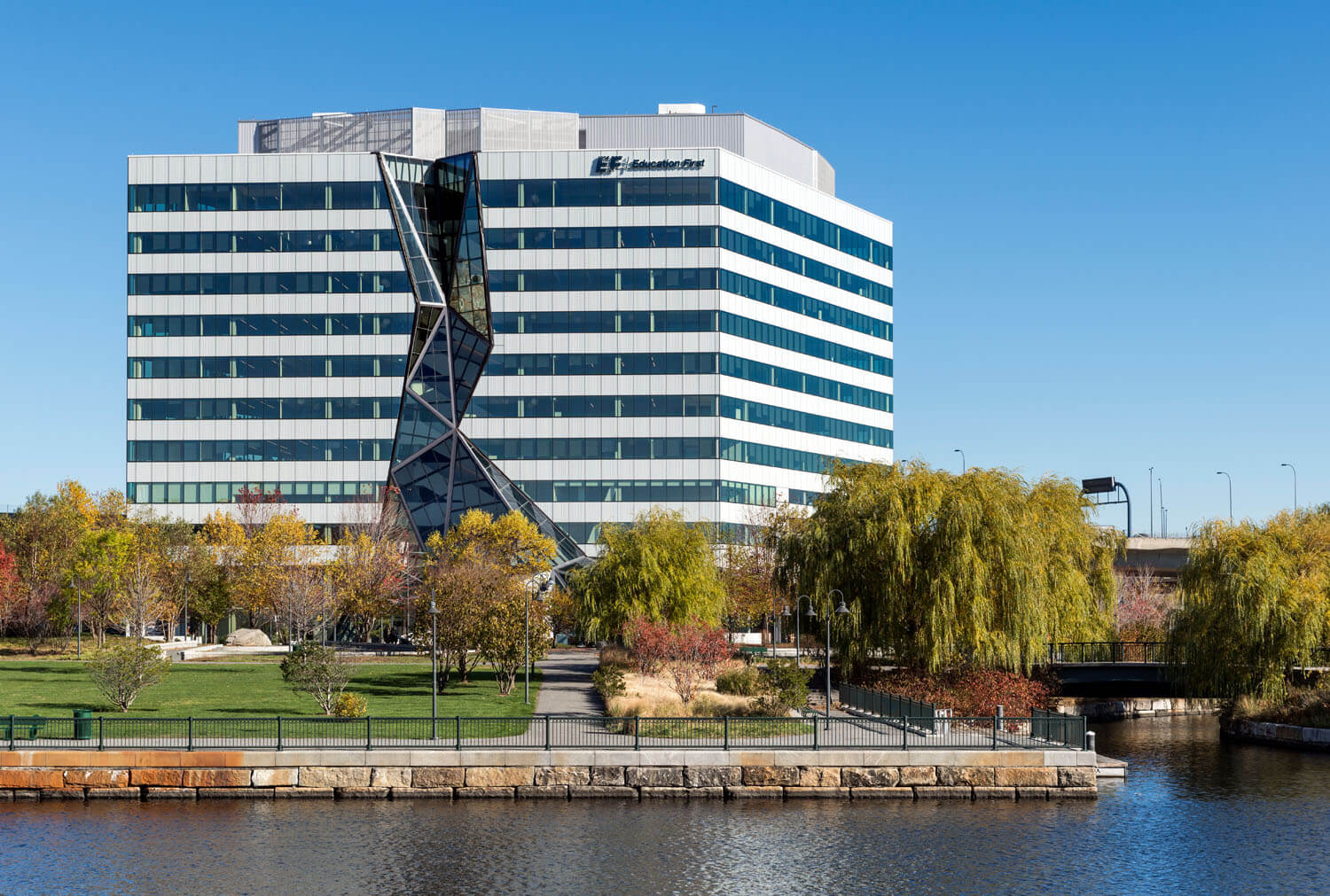
One pivotal moment was moving to Boston to help launch our undergraduate campus. Being in EF’s largest office opened up my next two roles, opportunities I probably wouldn’t have been considered for otherwise.
Is there a specific moment or project that stood out as the most rewarding in your career?
Coming from a more academic background, leading our Undergraduate Program was one of the most rewarding parts of my career. I loved working with students at that stage of life—questioning everything, full of energy, and constantly pushing you to think differently. Seeing them pitch their solutions to real companies was a real highlight.
What is the best part of your job?
I love working with teams across the world, and in finance, you get a view across the whole business.
What is the most challenging part of your job?
What I love most is also the hardest part. In finance, we’re involved in every aspect of the business, which means constantly balancing competing priorities. You’re working with different teams, different goals, and often different timelines, all at once.
It keeps things interesting, but it also means you have to be comfortable switching context quickly and making decisions with a broad view of the business.

Throughout your career and across multiple roles, what keeps you passionate about working at EF?
For me, it always comes back to the people. EF is full of people who are supportive, collaborative, and genuinely willing to step in where needed. There’s no real sense of “that’s not my job.”
Across different offices and roles at EF, I’ve always found the same mindset. People are open, quick to help, and invested in what you’re trying to achieve, which makes a big difference day to day.
There’s also a shared sense of purpose—wanting to have a positive impact and open the world through education, which brings everything together.
Out of the countries you have lived in, which has been your favorite?
I’ve been lucky to live in five different countries and loved each one, but London is the first place where I’ve truly felt at home.
What does work-life balance mean to you? How have you been able to find that at EF?
EF has made that possible in different ways over time. Day to day, there’s a level of flexibility that means I can be there for the moments that matter, whether that’s a sports day or a winter play.
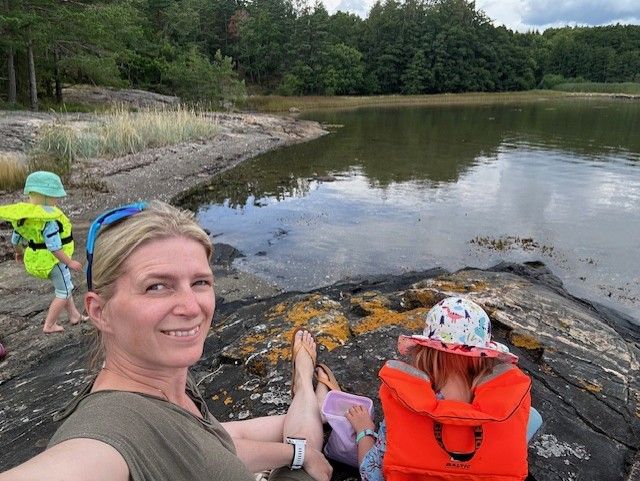
More recently, I had the opportunity to take a summer sabbatical to mark my 10-year anniversary, which really brought that into focus. I was able to spend uninterrupted time with my three young children, visiting family, going on adventures, and simply slowing down.
What makes working at EF different from other companies?
For me, it’s the combination of people and opportunity. There’s a real sense of collaboration; people step in, support each other, and just get things done.
At the same time, you’re constantly given the chance to try new things and move in directions you didn’t expect. It means your career rarely looks how you planned—but often turns out better.
Any advice for someone navigating their own career?
Be open to opportunities you didn’t plan for, and don’t worry too much about having a perfectly mapped-out path. Some of the most rewarding parts of my career came from saying yes to things I hadn’t expected.
__________________
About EF journey stories
No two EF careers are the same. People switch divisions, explore new functions, move across continents, or choose to stay and grow in the same area for decades. We’re purpose built to encourage entrepreneurialism, which means there’s always something new and exciting to work on—and you can do it all while staying within the same company. There are limitless opportunities. You’re free to steer your own course, and go as far and as high as your talent will take you. These are just some of those stories.